Nassim Hadj benali

roadkard
a mobile platform that will allow users to ride share within the united states within a trusted community of drivers.
Open this case

Project Title:
roadkard
Operating on:
Mobile: iOS
Goal:
a mobile platform that will allow users to ride share within the united states within a trusted community of drivers.
Client Name:
roadkard app, United States
Location:
United States
Project Date:
Jan 2019
Role:
Secondary User research, Interaction, information architecture, Visual Design, Prototyping, overall Art Direction. As a contractor I worked in collaboration with other contractors, a company of developers in India.
Timeframe:
12 months
Understand

How might we allow users to ride share within the united states within a trusted community of drivers ?

Problem statement
Each year, a big number of young americans struggle to travel across the country to visit family during breaks, holidays,.... Because it is costly as a rider as well as a driver. This is a problem because usually youngsters have so little to spend to get to far places.

Goals
a mobile platform that will allow users to ride share for long distances within the united states within a trusted community of drivers.
UX research highlights
- General secondary research
1.7 million users
Car sharing users around the world
Car sharing services have gained momentum as a potential alternative to various transport modes in the early 90s and the number of carsharing members is estimated to be approximately 1.7 million in 27 countries (Steinberg and Vlasic, 2013).
Fuel and insurance rising price, environmental concerns as well as having a nice chat into a traffic jam are all good reasons for thinking about sharing car rides.
The car still dominates the transport in the US
According to Statista Consumer Insights, 73 percent of American commuters use their own car to move between home and work, making it by far the most popular mode of transportation. Meanwhile, only 13 percent of the 7,649 respondents use public transportation while 11 percent ride their bike.
47% of students travel by car in spring break
In the United States, spring break is a one-week holiday period taking place at colleges and universities, occurring between the end of February and mid-April, depending on each institution. According to a February 2021 study, roughly 47 percent of surveyed U.S. travelers who have planned a spring break trip will travel by car. Meanwhile, about 31 percent of respondents stated that they will take a plane, and roughly 19 percent of the survey sample stated they would use both car and plane.
- Primary research & surveys
“I don’t trust traveling alone that far with a stranger”
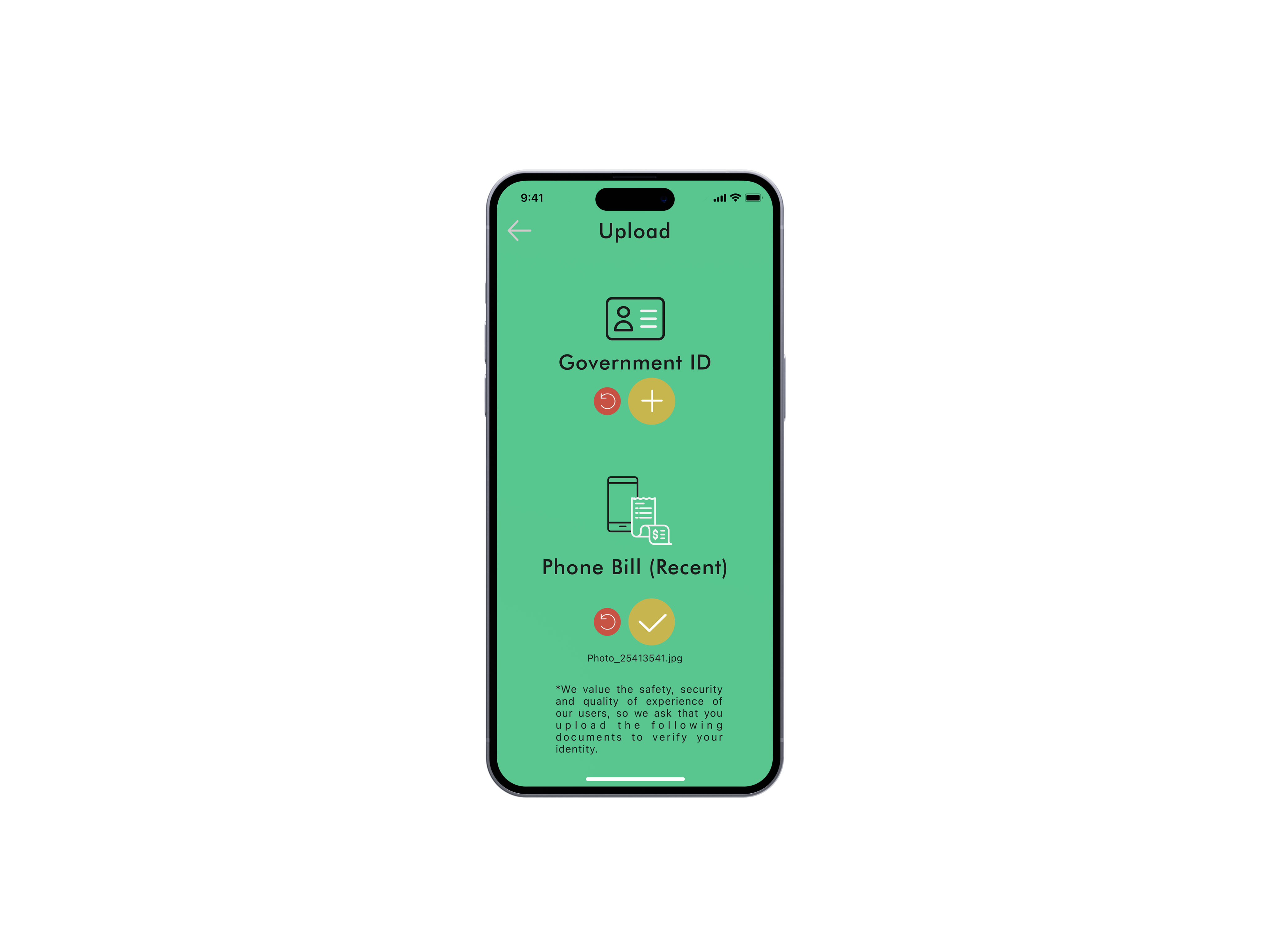
ID verification + Rating system
One of the main complaints or fears of the people surveyed was trust. establishing trust between users needed careful attention.
- An automated verification process where the users are demanded to verify their identities through document upload which enhanced safety.
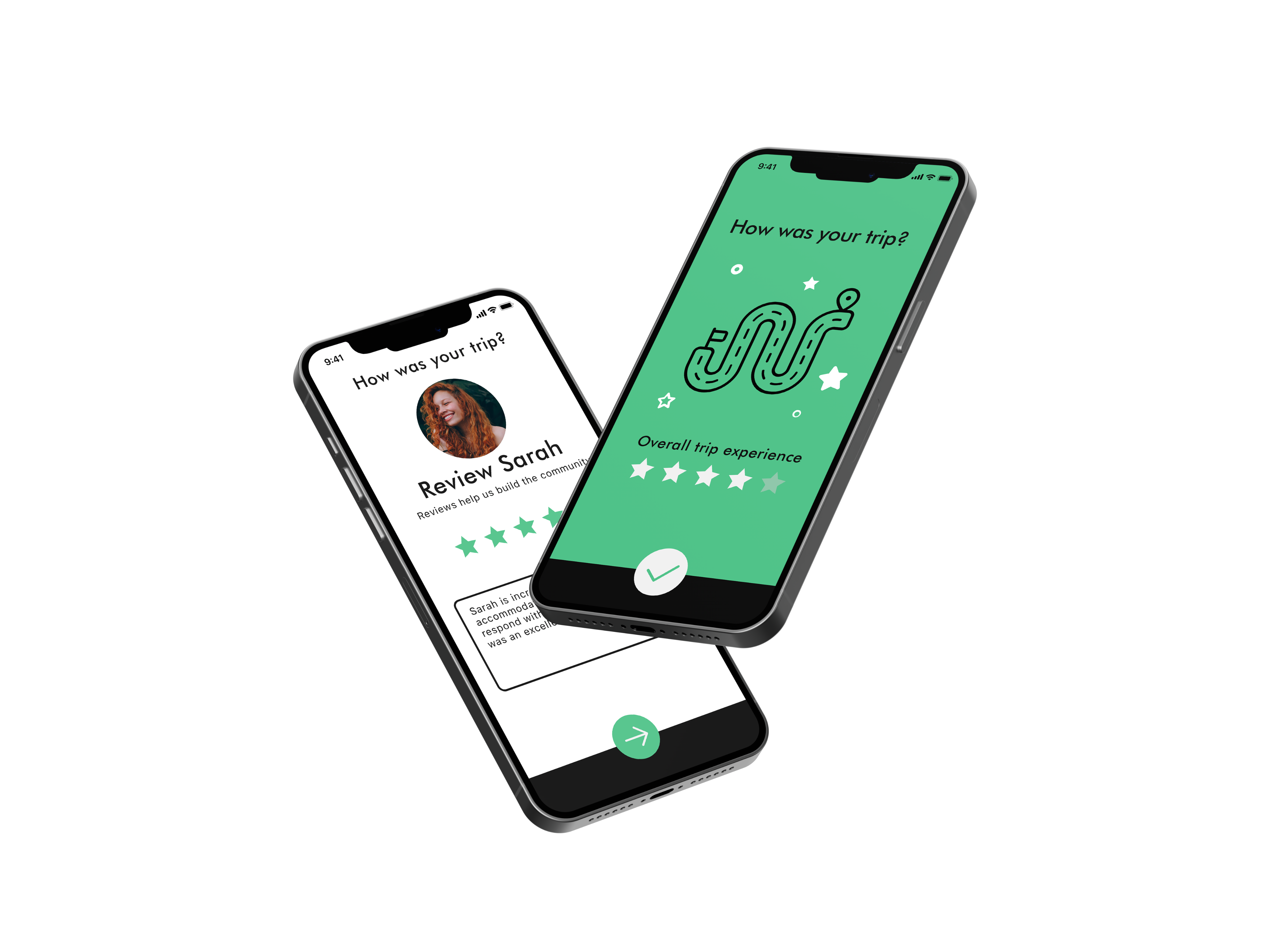
- Another way we approached the issue was the implementation of a rating system which increases trust and motivation and most importantly give a sense of community.
- Badges were delivered to most experienced users.
“I used it as a rider, it asked me for a new account as a driver”
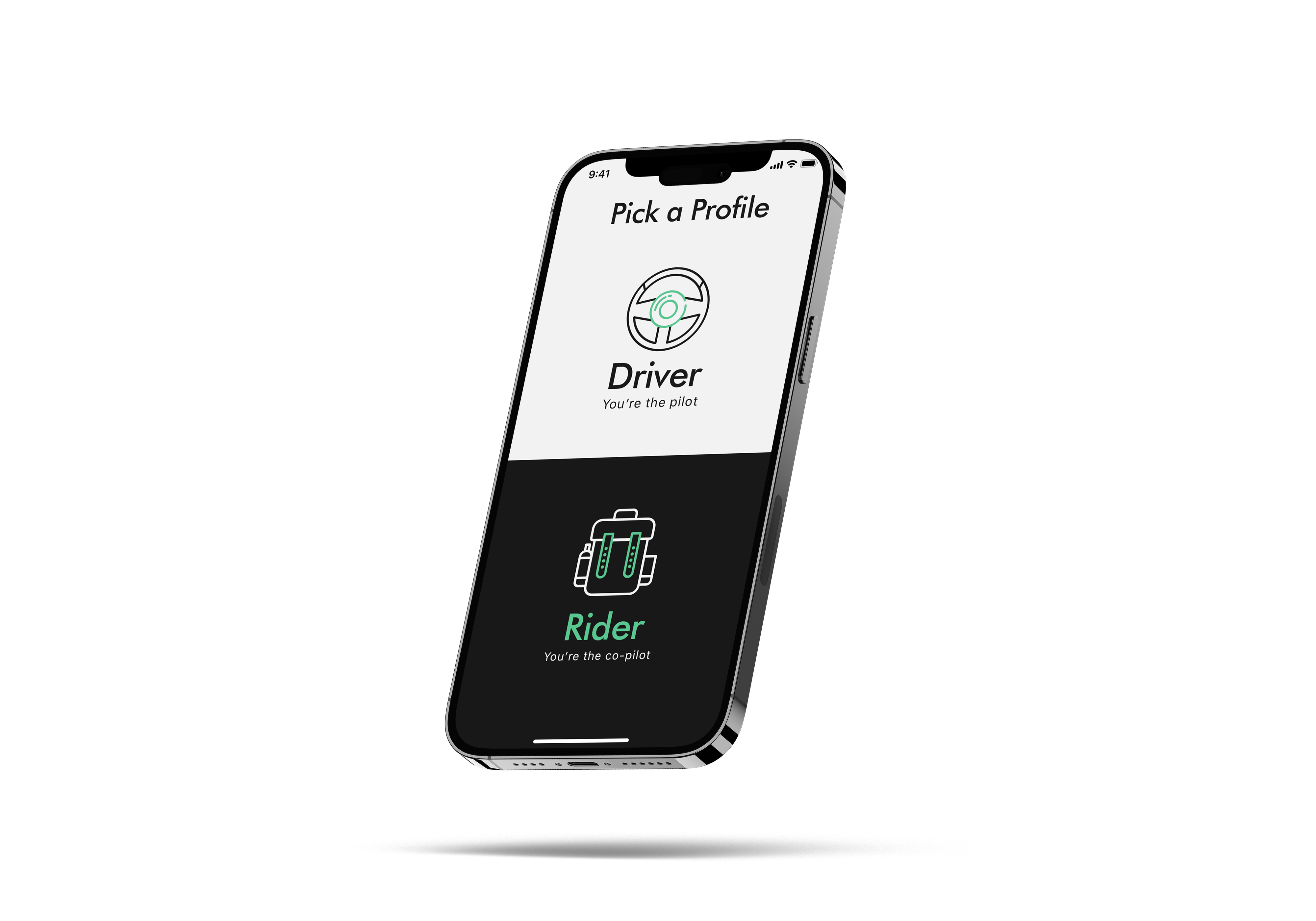
One app for riders and drivers + merge
The competitive analysis showed that most car sharing Car sharing services do not allow a flexibility between users roles as riders.
We merged both experiences in one, A rider could be a driver anytime and vice versa.
Riders and drivers have different badges
The user only has to add some more documents about the car to be a driver and start gaining money.
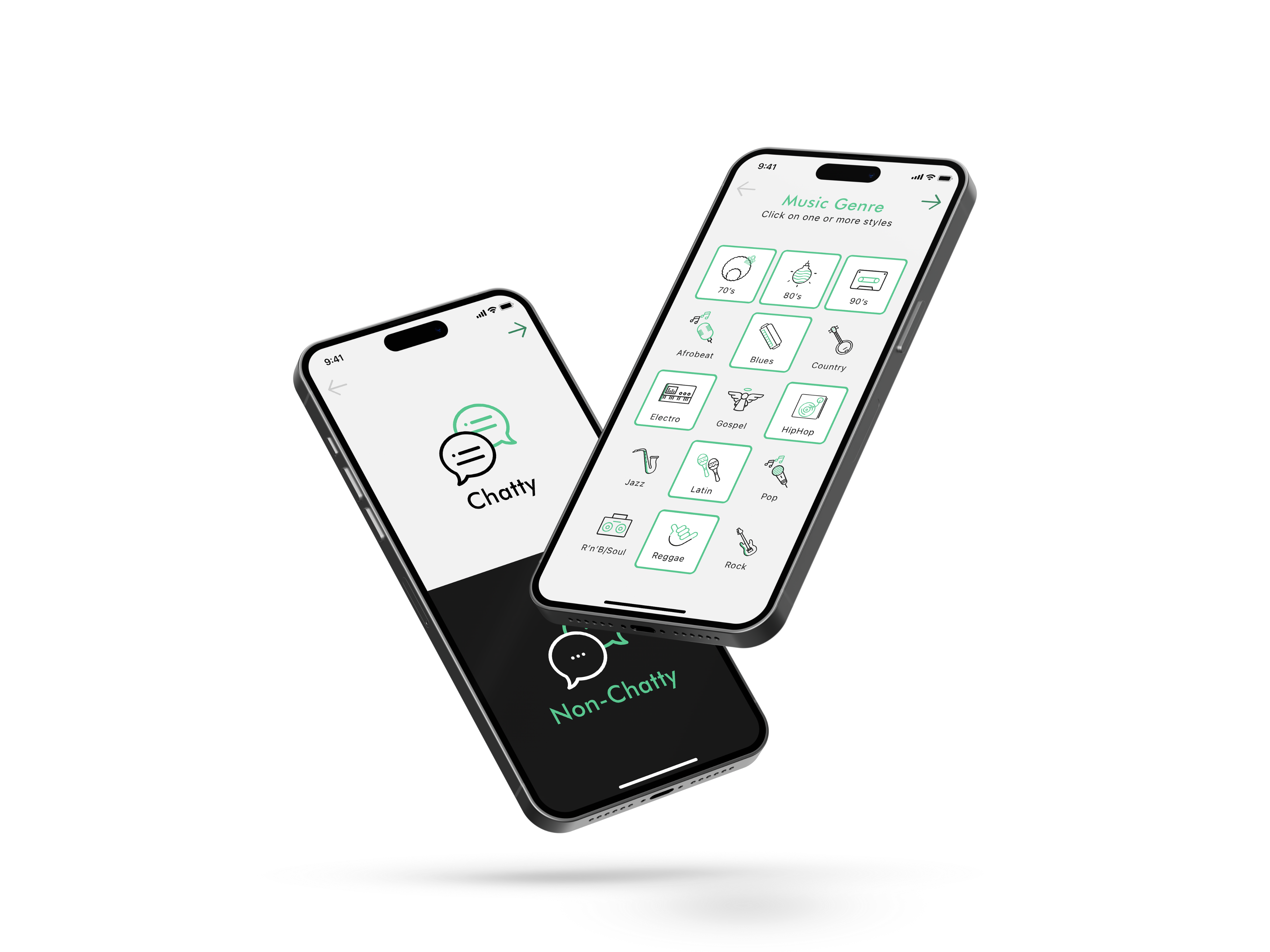
“Quite a few people said they preferred to not use car-sharing because they don’t like chatting,...
we thought about them”
Customization of the experience
(the trip)
Our findings proved that not all users travel the same way, nor for the same reasons.
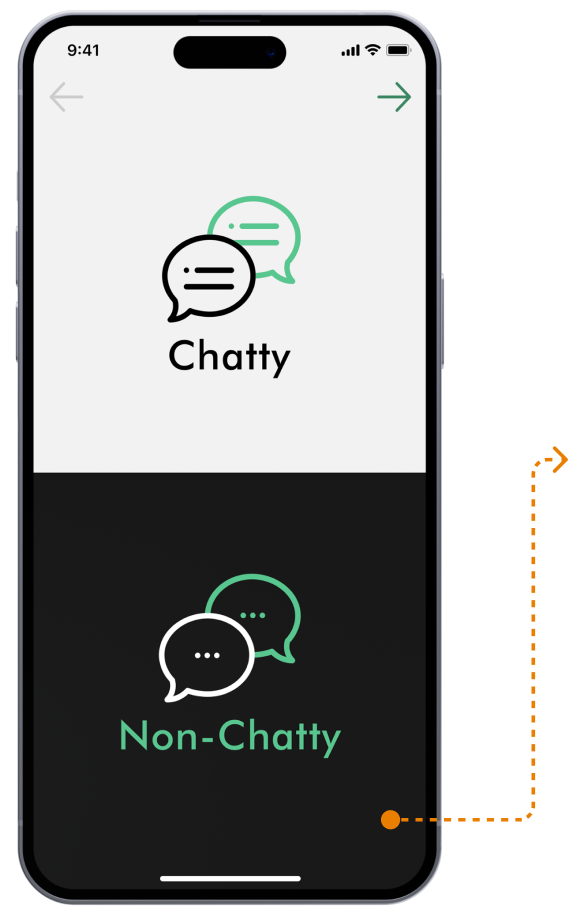
we interpreted two main categories of users, the users who enjoy the experience of the trip itself they like to chat, meet people,...
second category of users travel because it’s cheap or because it is needed (for holidays, spring break,...).
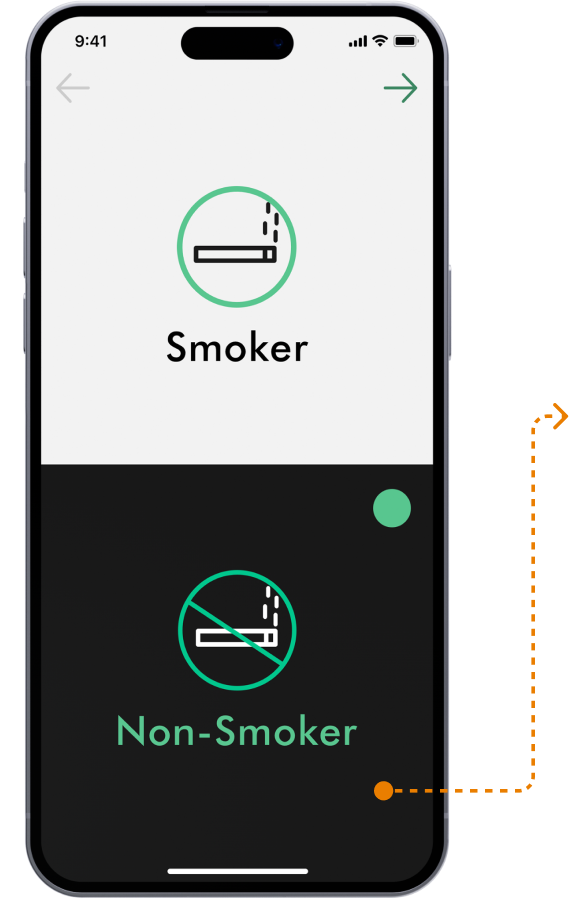
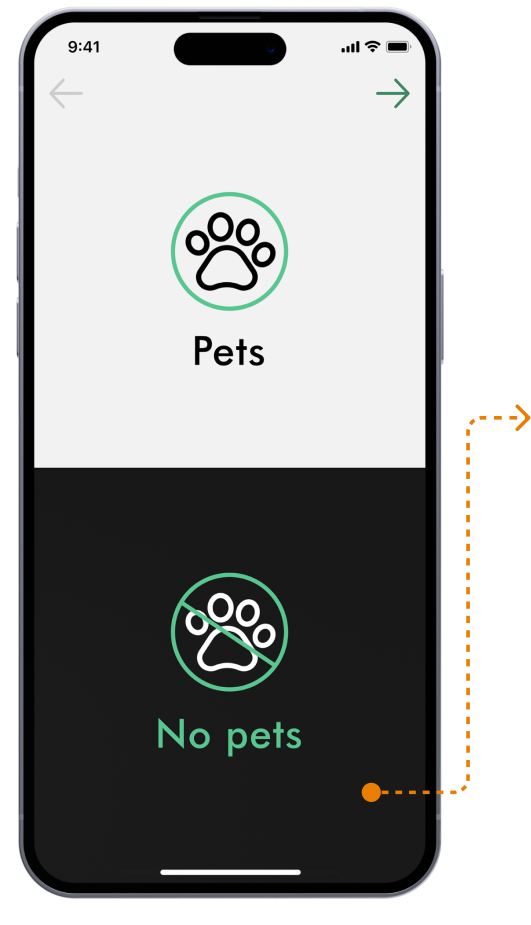
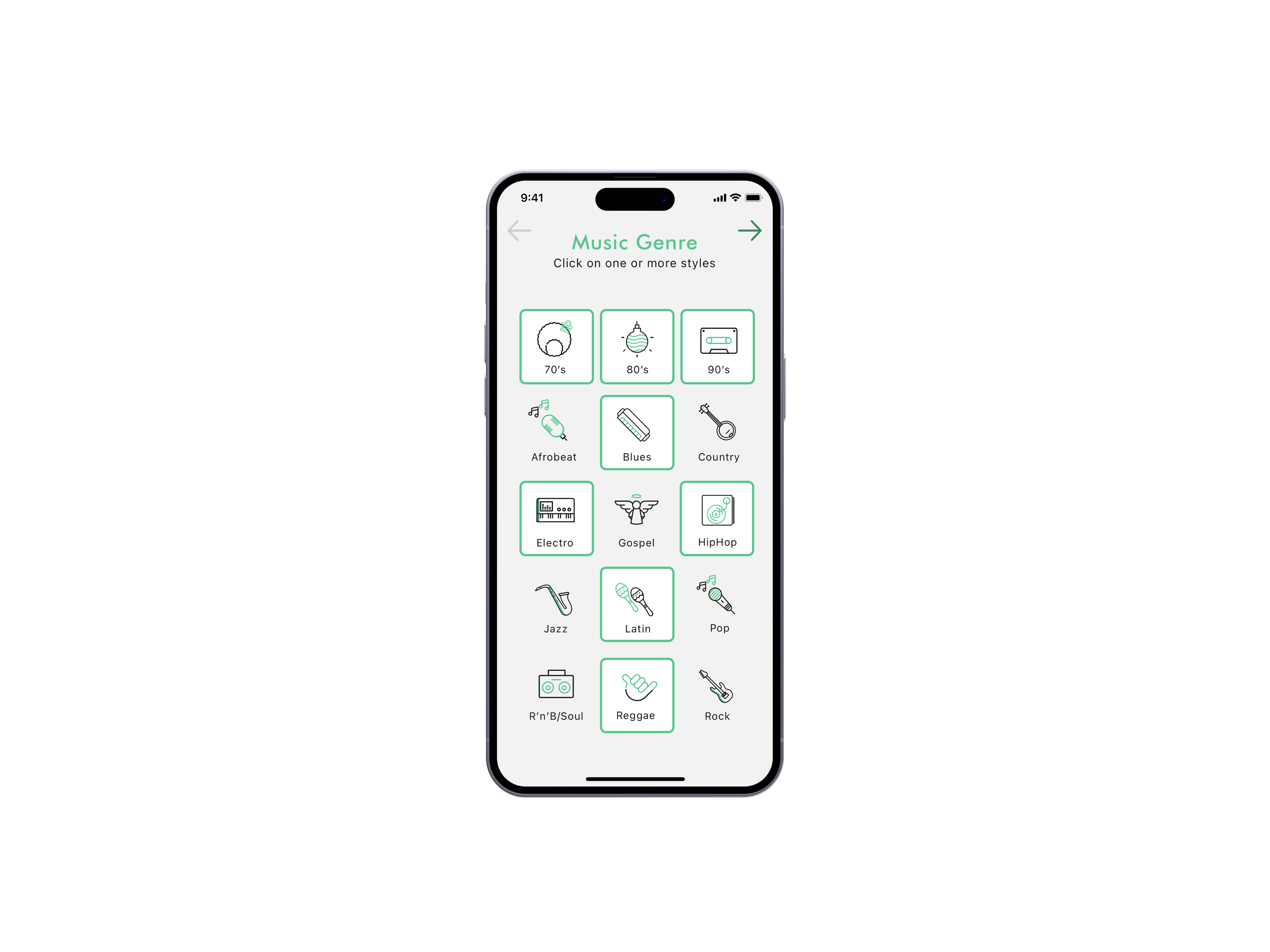
the challenge was to unify the experience for both kind of users by giving people the control over customisation of their characteristics and music tastes. And a system of matching users according to their choices (Chatty/non-chatty, accept animals/ doesn’t accept animals, smoker/ non-smoker)
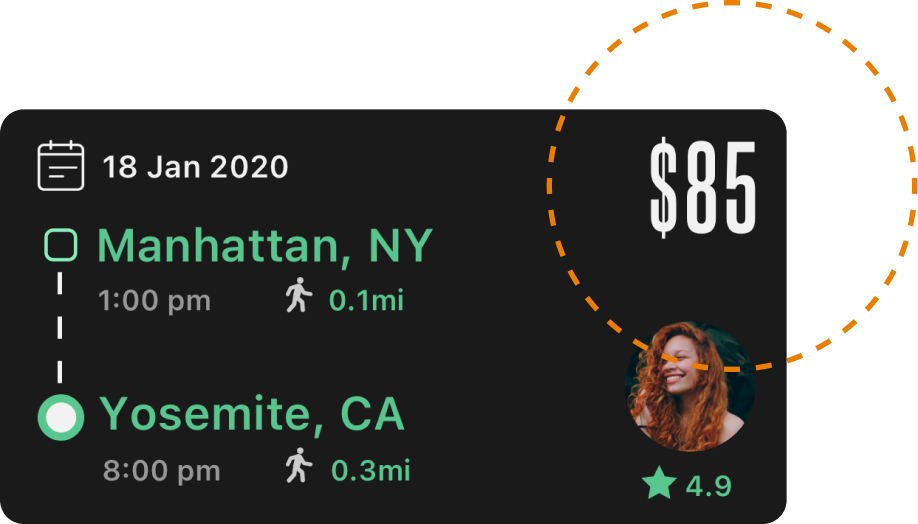
“users said the very first determinator is price”
Users land directly on a list of trips nearby sorted by range and price
The survey results showed that 95% (336 persons) agreed that they use ride sharing for economic reasons; only 5% (19 persons) did not agree that economic reasons encouraged them to use ride sharing.
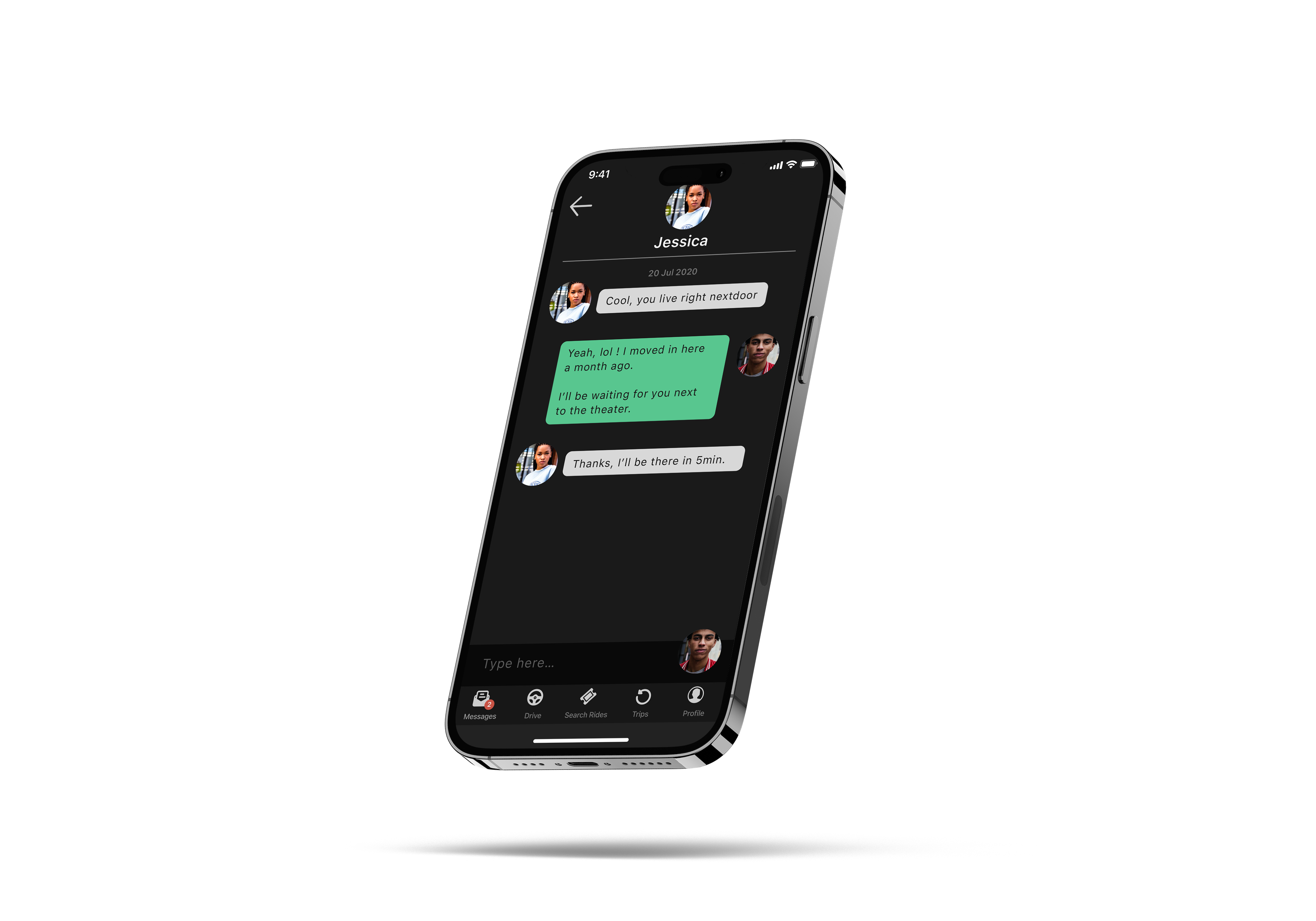
“I just can’t give away my phone number to random folks”
Users had a slight fear of communicating their numbers to strangers and privacy was a recurring mention
In order to enhance the experience to an ideal safety for users, we implemented a chat feature. users can communicate only after acceptance and no need to exchange private contacts
Design process highlights
- Searching and booking a trip (Rider)
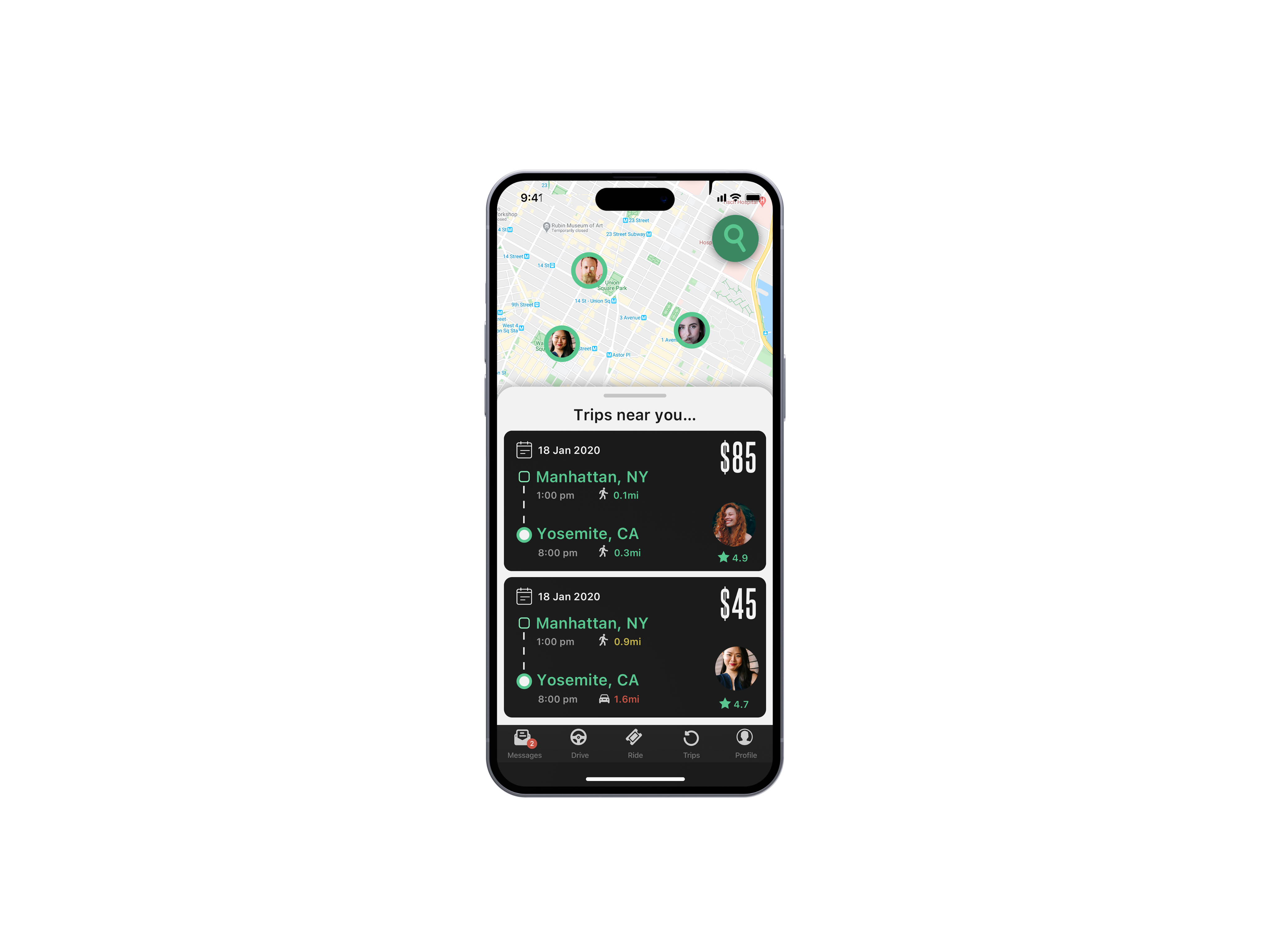
“I open, I book”
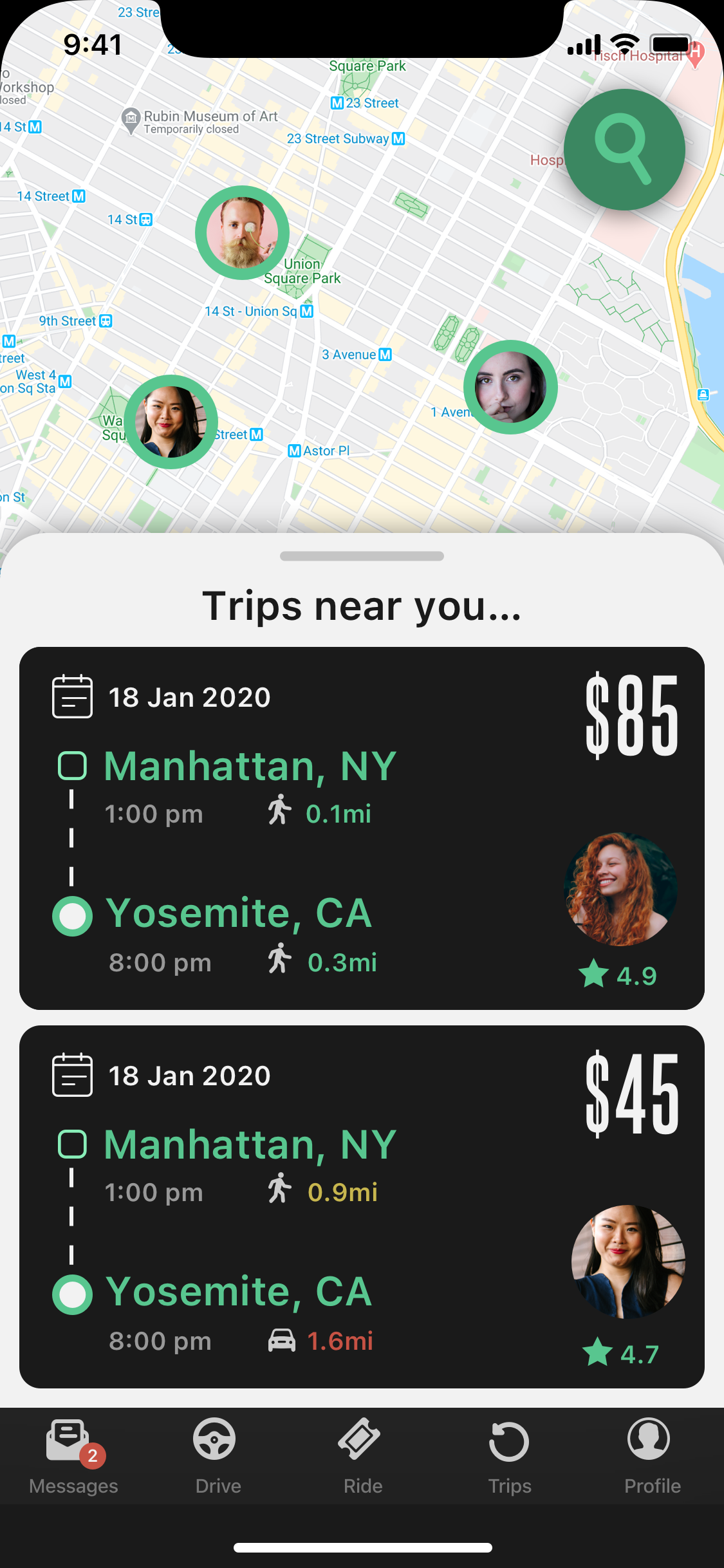
Users land directly on a list of trips nearby sorted by range and price
This decision was key while on similar apps users land on a blank screen with a search bar, here we not only relieved the user from looking for trips.
but it also motivates the users to come back regularly on the app and scroll the list.
Departure
Time + Distance
Time + Distance
Date
Destination
Price
Profile info

1
A whole module for the trip
UX research highlighted the need for fast decision-making when browsing available trips. To support this, each trip is designed as a complete module that aggregates all key data points in a single view: timing, locations, proximity, price, and driver credibility.
This modular approach improves scannability, enables quick comparison, and minimizes unnecessary navigation.
- Task Flow
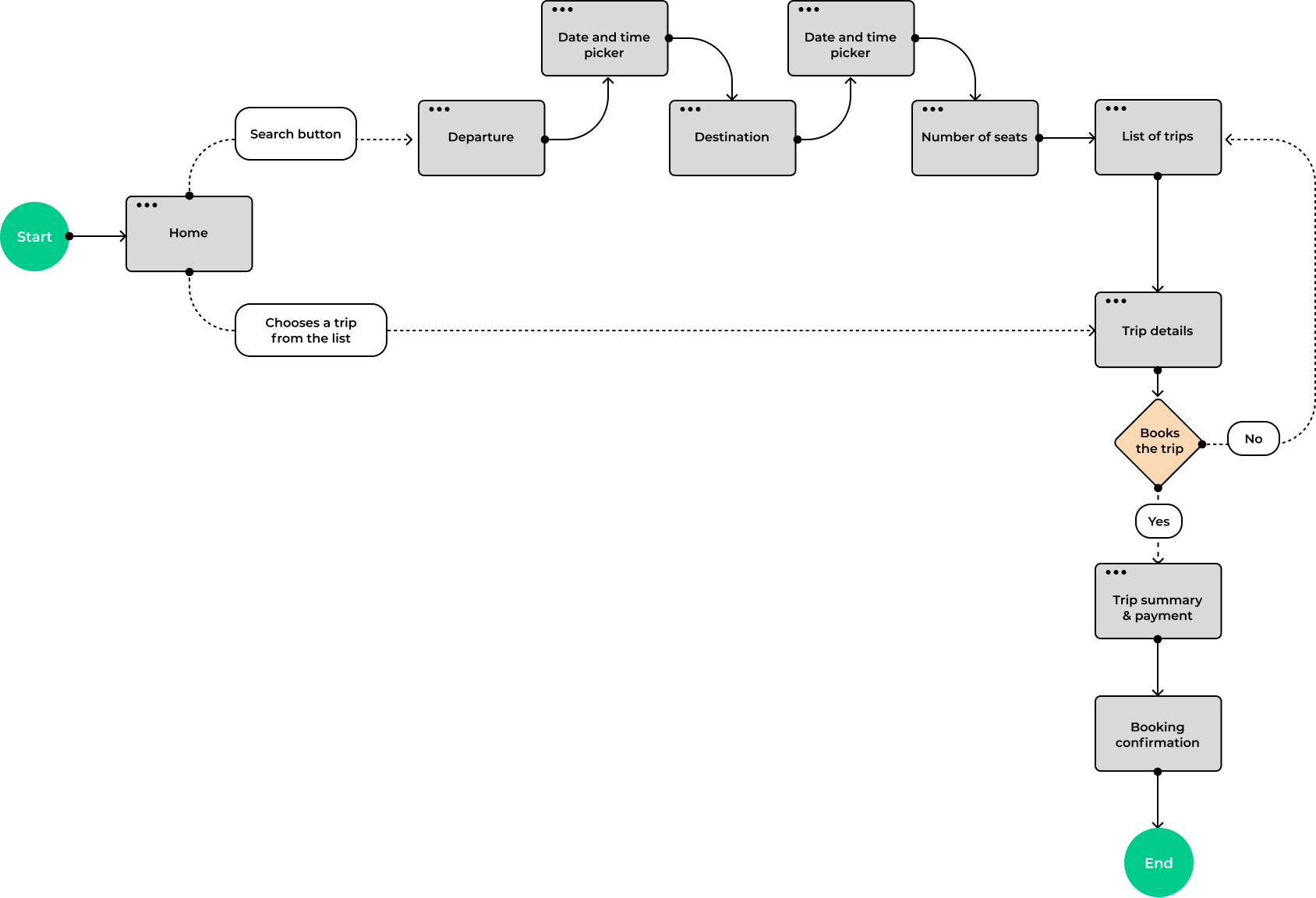
At the start, users can search for trips in two ways
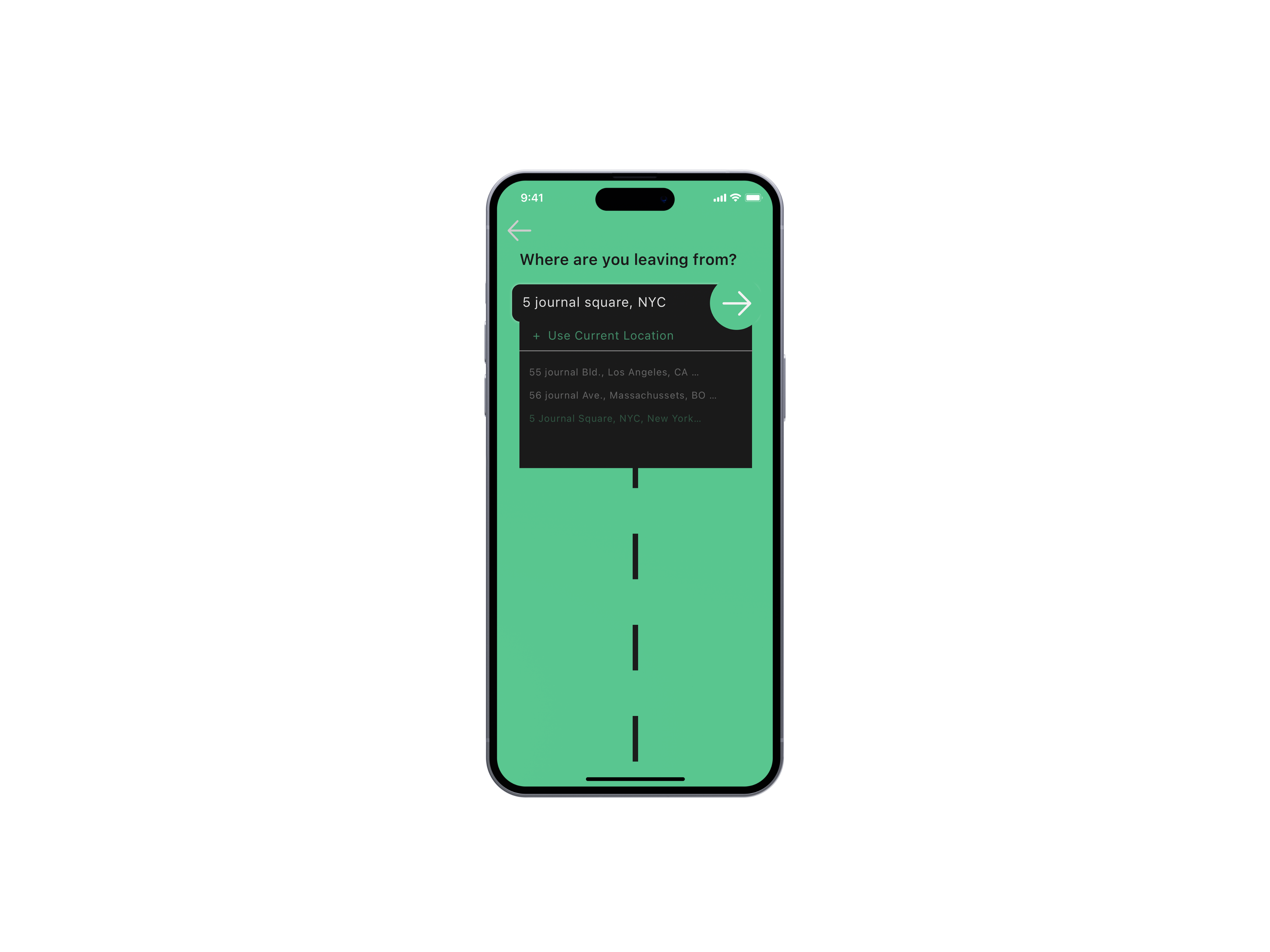
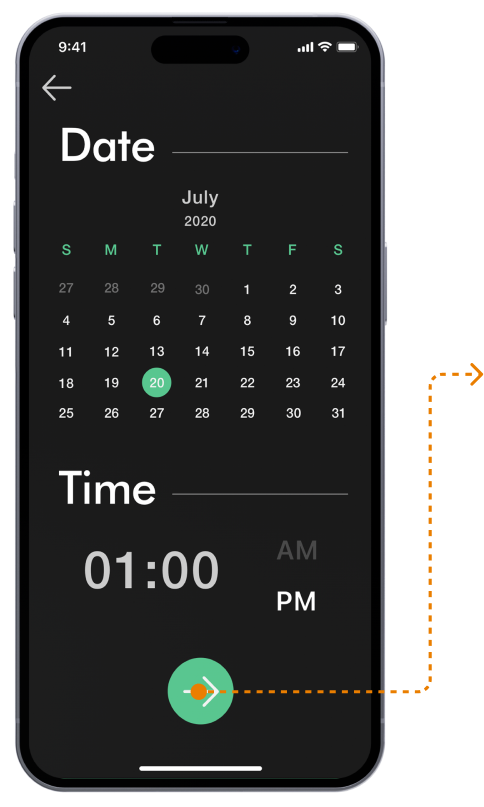
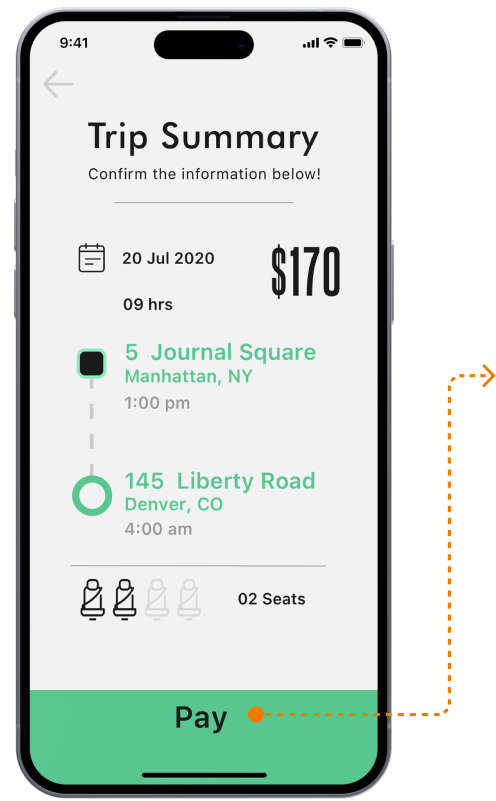
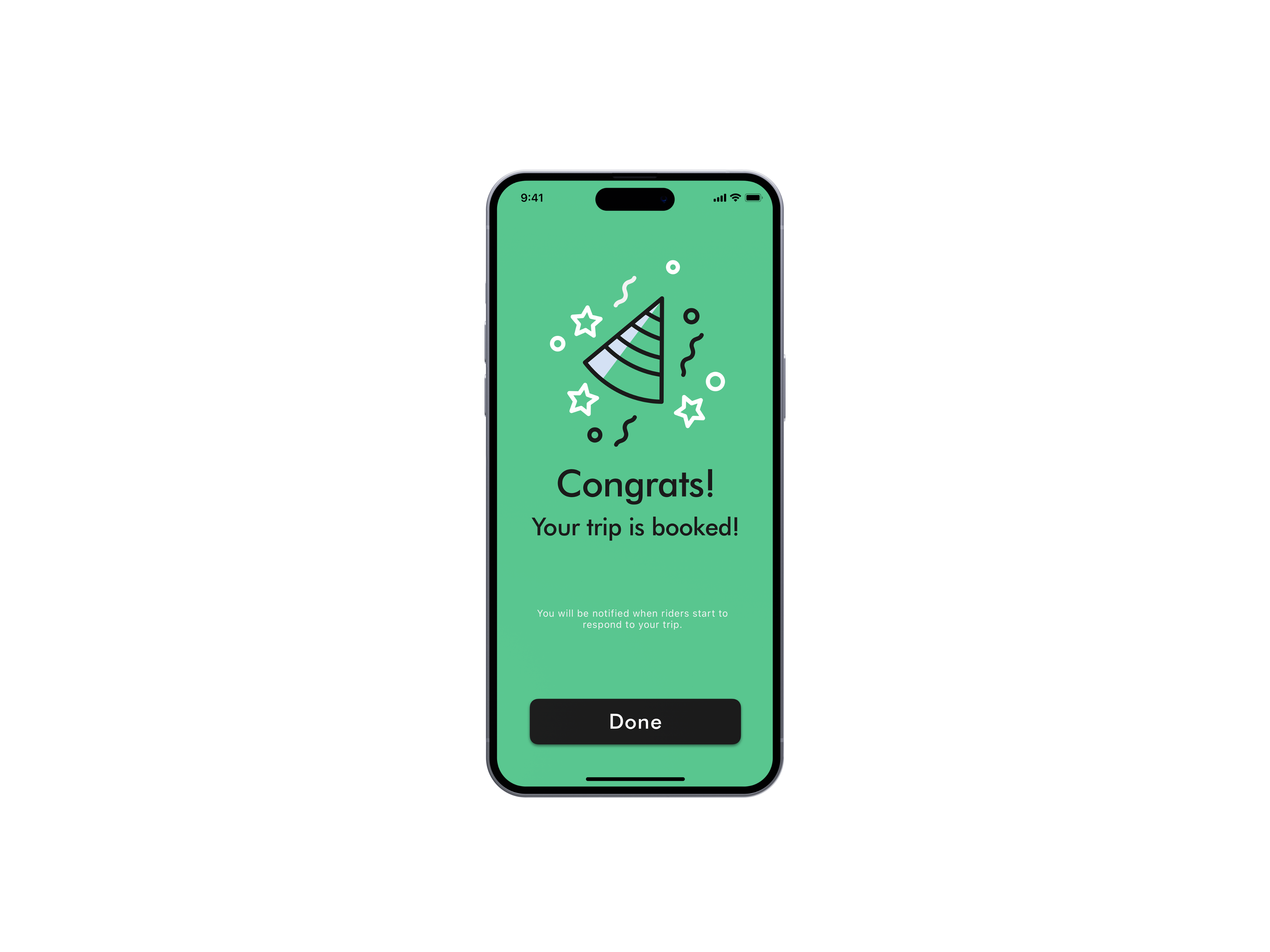
Users can search for trips in two ways: by entering an address in the search bar or by selecting a trip from a list on the homepage.
The homepage list serves as a shortcut in the user experience and helps mitigate matching system challenges. Trips are displayed based on proximity, past searches, user preferences, and other KPIs, and are sorted by ascending price by default.

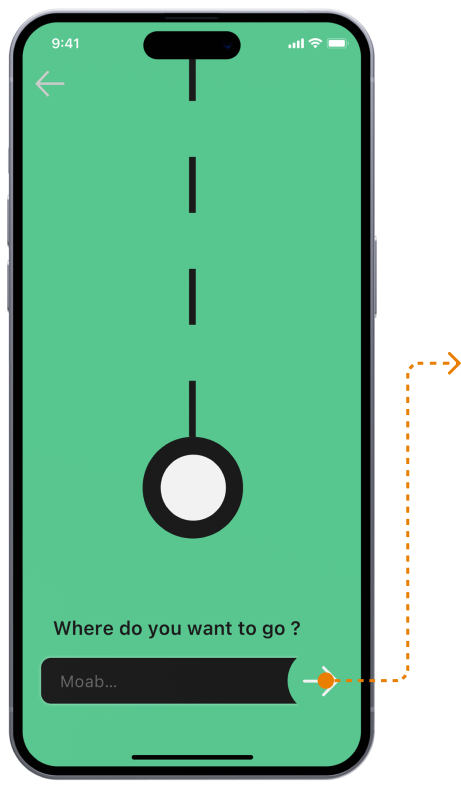
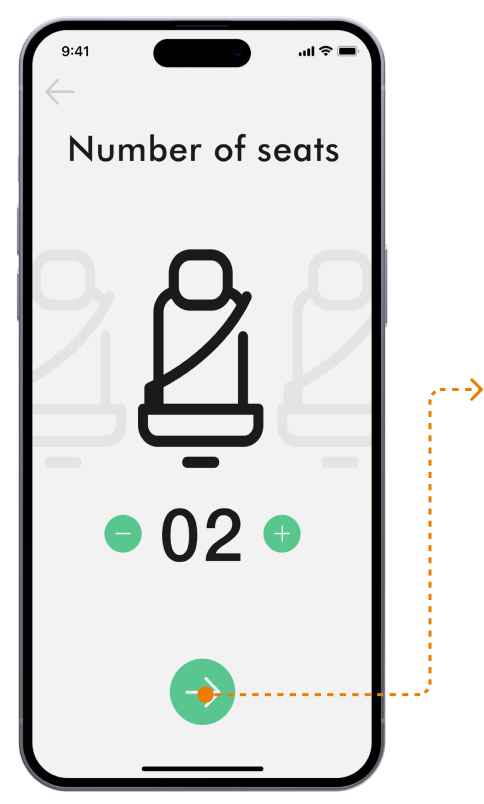
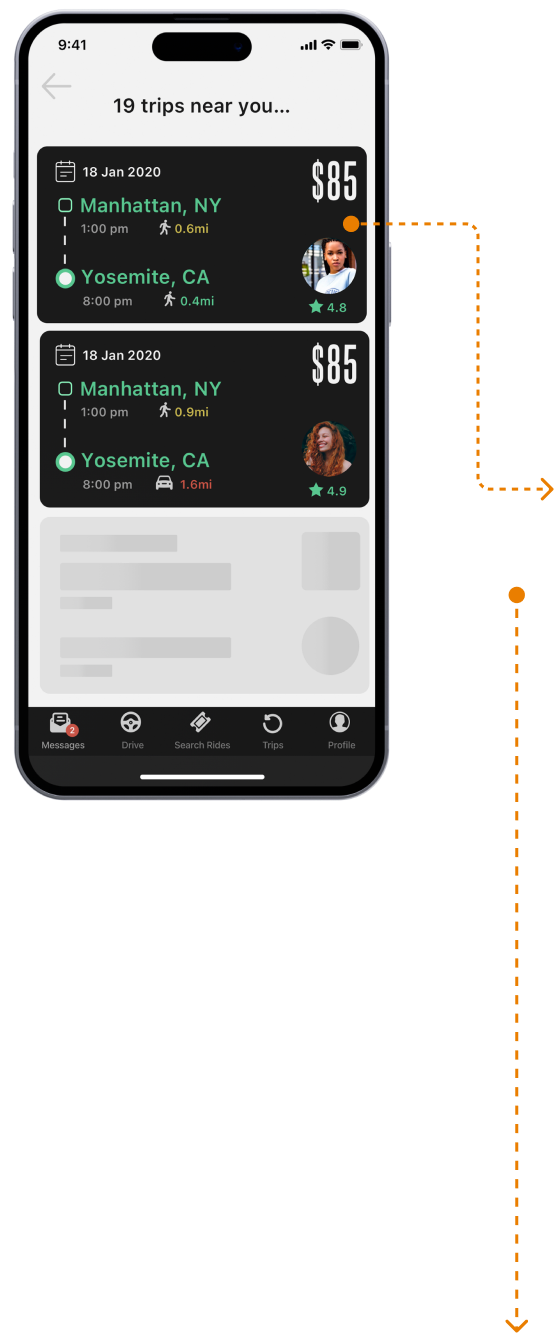
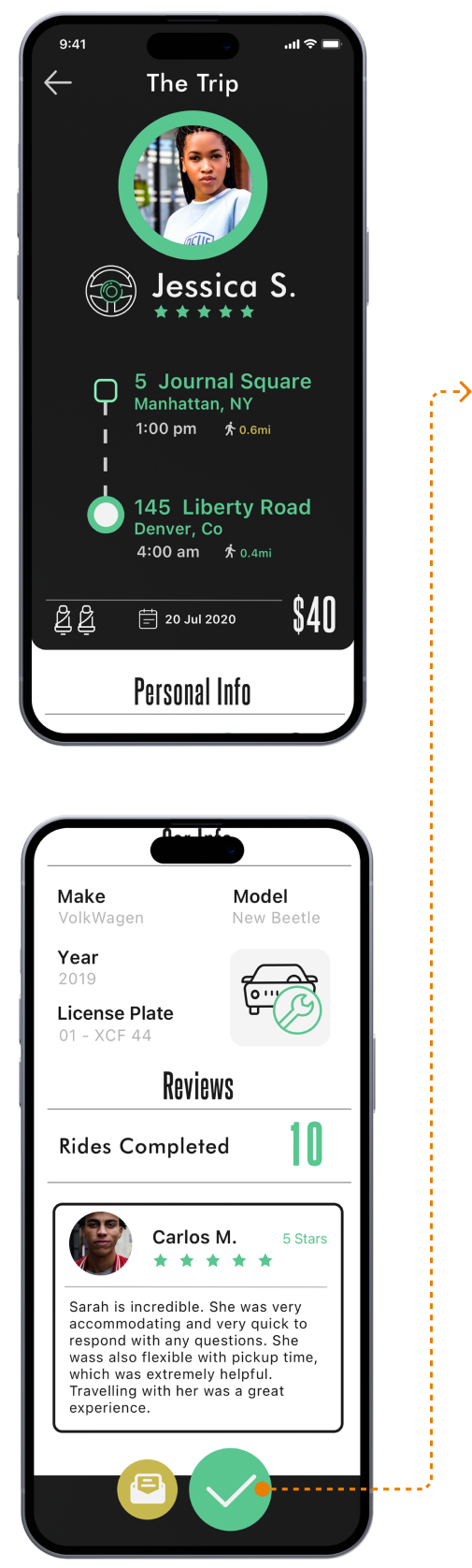
user scrolls down
Design process highlights
- Profile customisation
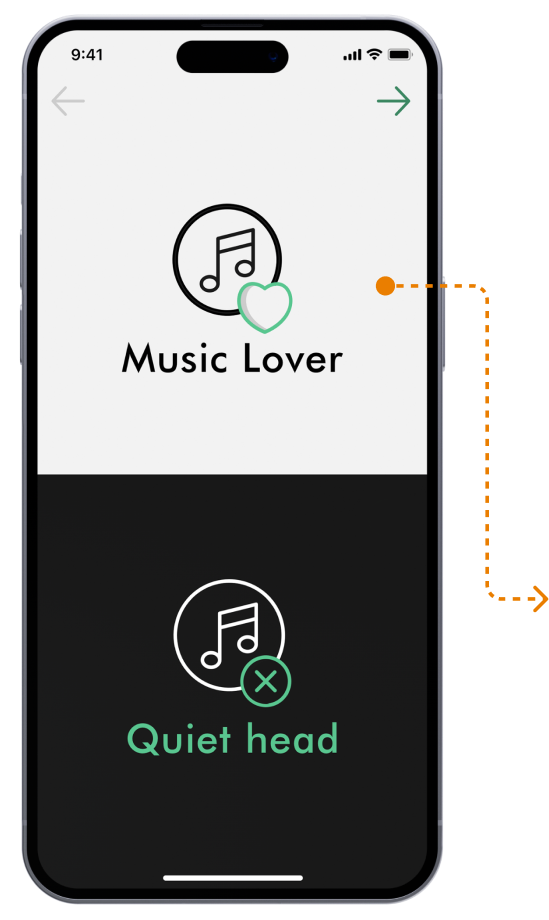
“I am a non-smoky-chatty-petty music lover”
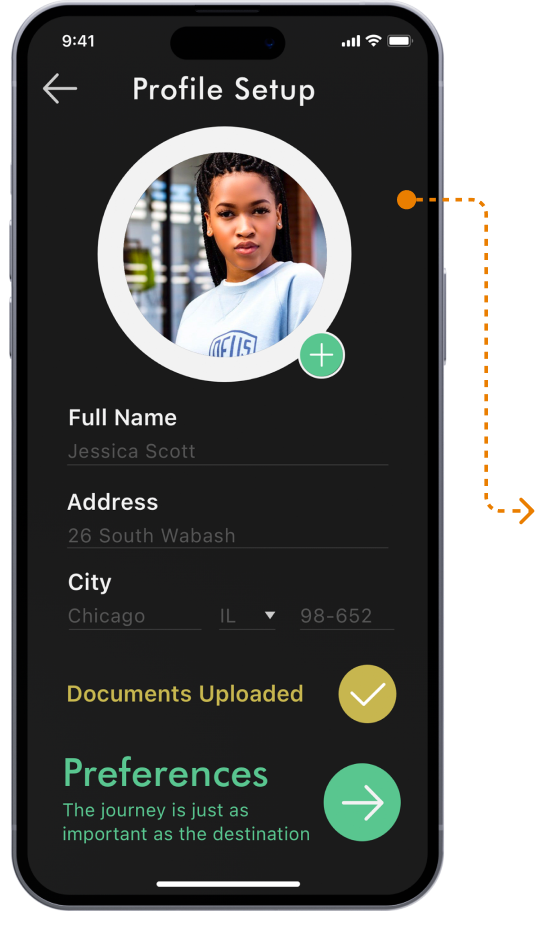
Users are given the ability to customize their experience, this also helps us to better curate the list displayed in the home screen.
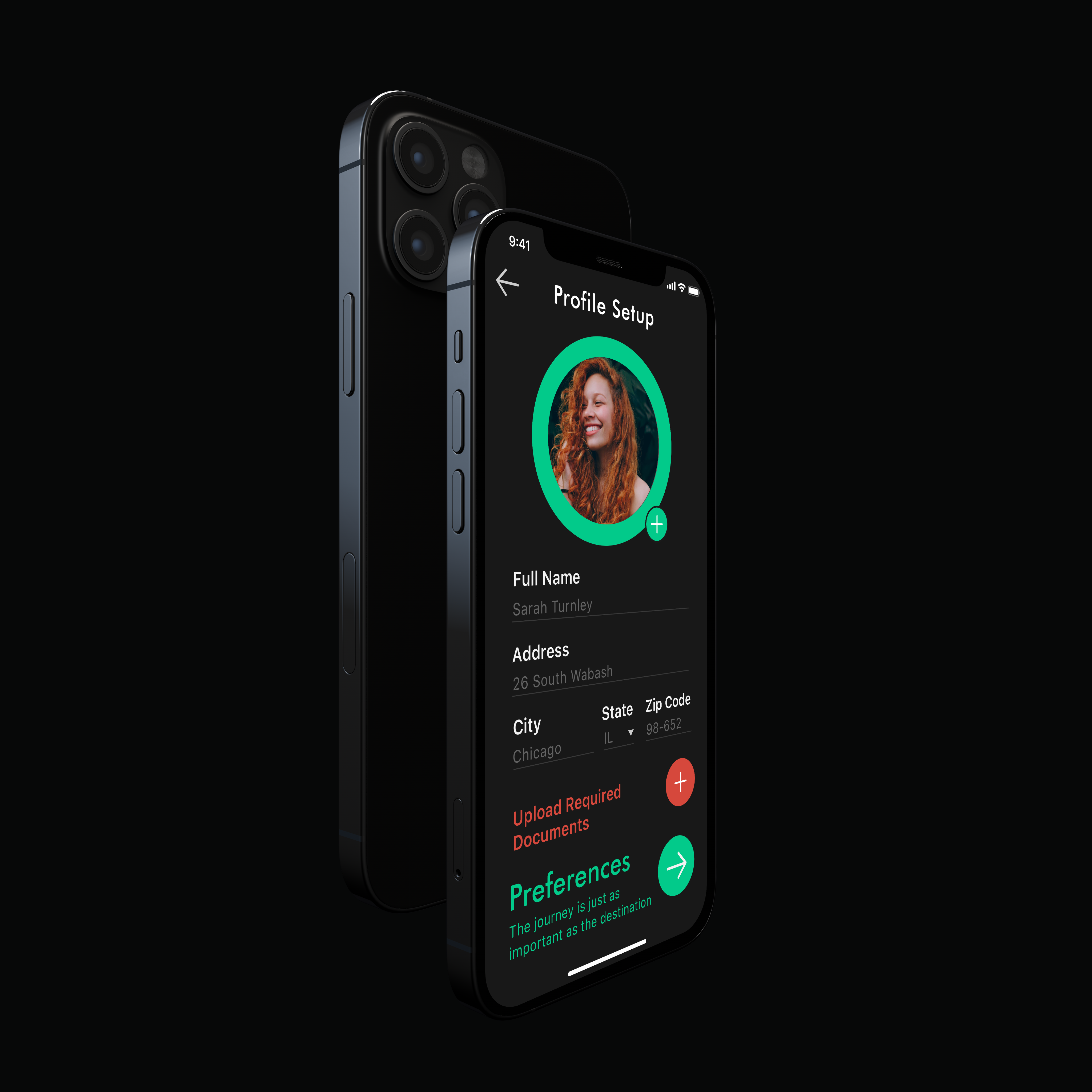
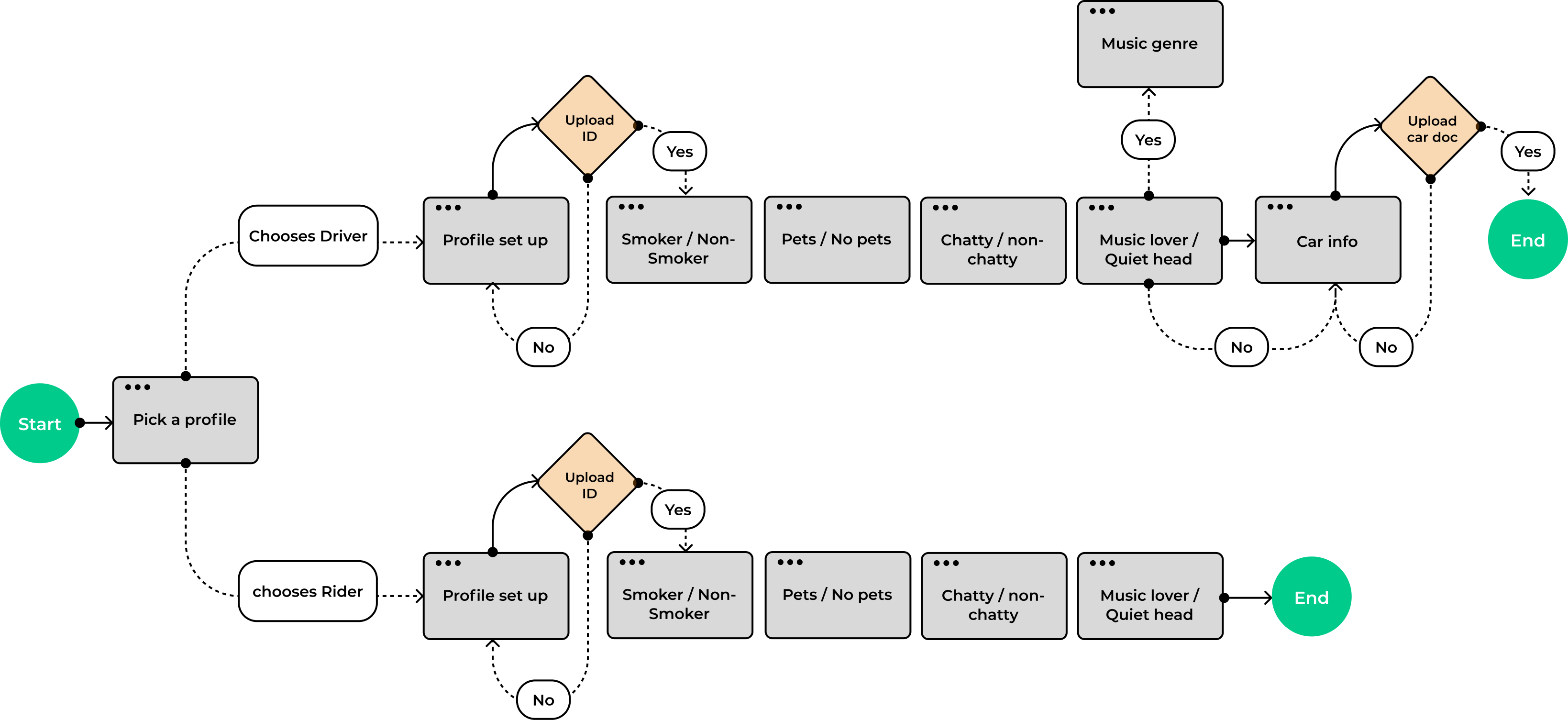
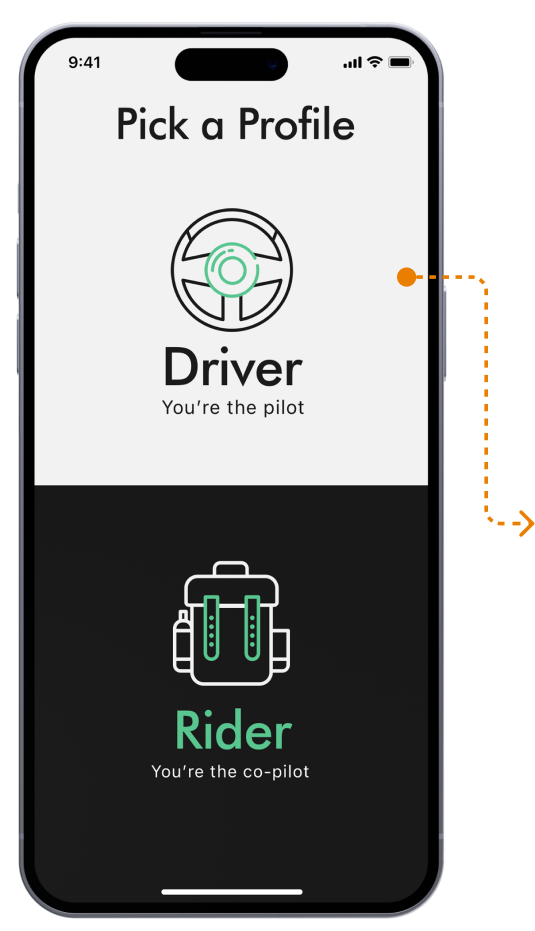
For his very first login, the user has to go through a series of questions turned into visual cards to make the process less heavy.
The user has to answer:
- Driver/ Rider ?
- Upload ID
- Swiped to tailor his experience (4/4)
- Car info
OTP login

Car information

Up
